

Counterfeit smartphones have evolved far beyond simple knockoffs. Today's fake iPhone 17 Pro Max clones mimic premium devices closely, but they carry hidden dangers like data breaches and privacy threats. This report examines their production, distribution, and risks based on technical details and real-world evidence.
Where Are These Phones Made and Who's Behind Them?
Country of Origin
These clones primarily come from southern China, with key production in industrial areas like Shenzhen and Dongguan.
Producing Entities
Production involves informal networks rather than major brands.
- Unlicensed OEM factories
- Small- and medium-sized assembly operations
- Operators in the shadow economy
These groups produce parts like casings and boards, then sell them onward, making tracking difficult.
How Are Fake iPhones Manufactured?
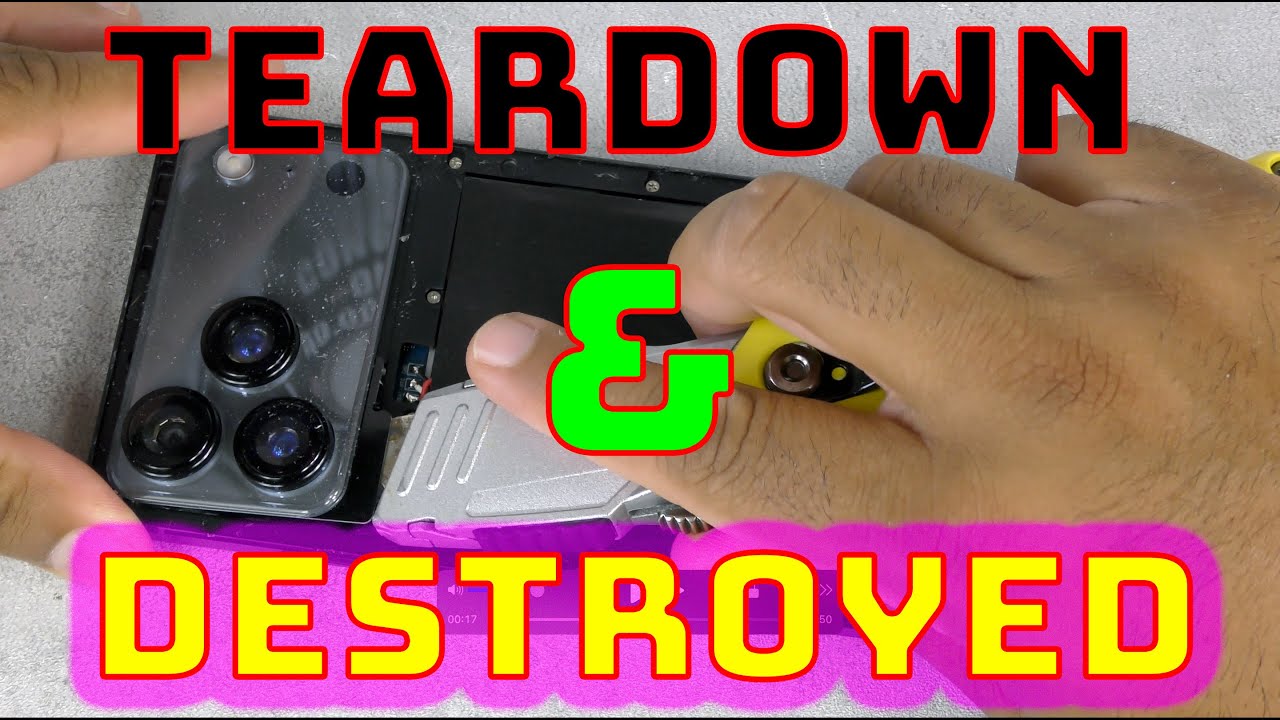
These aren't full replicas. They combine copied designs with cheaper internals.
Manufacturing Stages
- External Design: Based on leaked CAD files and reverse engineering, using CNC machines.
- Internal Assembly: Features budget processors like MediaTek or Unisoc, generic cameras, and substandard batteries.
- Operating System: Android modified to look like iOS, with fake specs displayed.
Apple's schematics aren't public, so everything relies on leaks and reverse engineering.
External Design: Striking Similarities
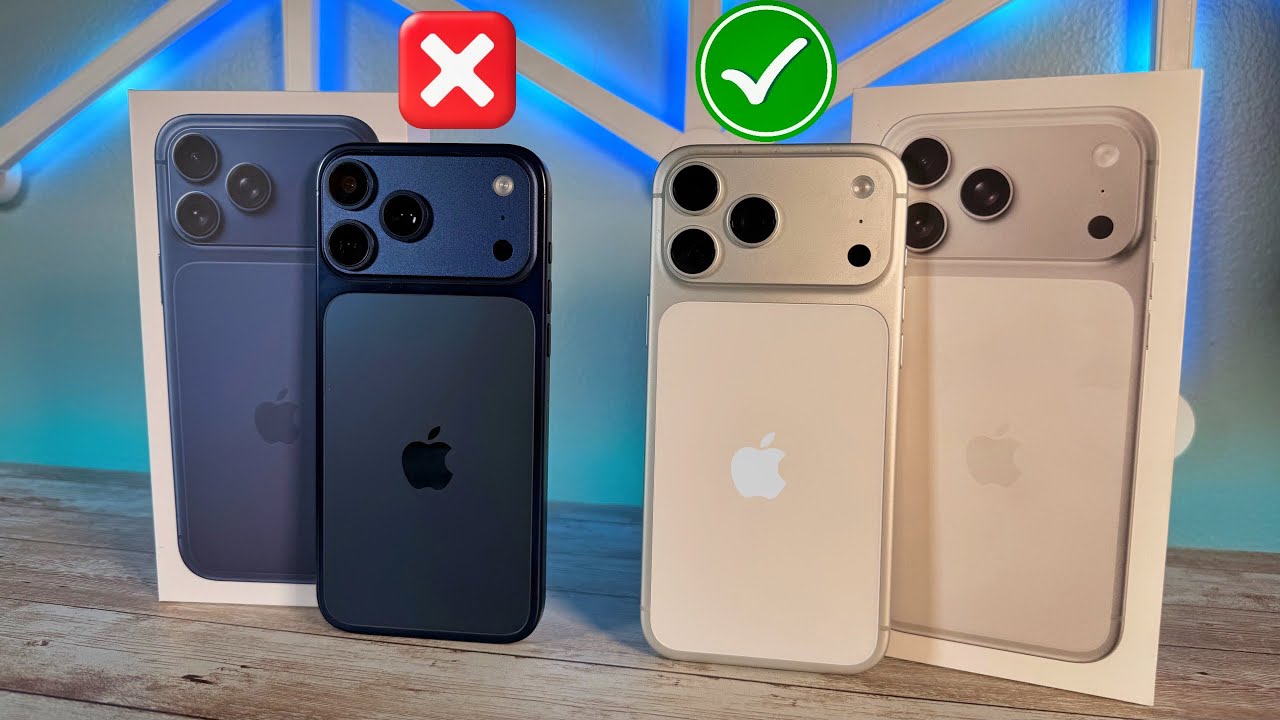
The outer appearance fools many at first glance, with a near-titanium frame, matching size, and camera setup.
But issues show up quickly: off colors, fragile glass, and unresponsive buttons.
Internal Components: Key Differences
| Component | Original iPhone | Fake iPhone |
|---|---|---|
| Processor | Apple A19 Pro | MediaTek / Unisoc |
| OS | Official iOS | Fake iOS on Android |
| Storage | High-speed NVMe | Slower eMMC |
| Security | Secure Enclave | None |
| Updates | Regular from Apple | Rare or none |
Real-World Performance
Basic browsing works fine at first, but heavier tasks reveal flaws.
- Lag in demanding apps
- Overheating during gaming
- Poor camera quality despite looks
Some even show phony specs in settings.
How Do They Bypass Customs?
It's often straightforward: labeled as generic Androids in mixed shipments.
Customs skips full inspections, relying on paperwork without software checks.
Security Risks Involved
Without proper safeguards, these devices expose users to threats.
- Accounts: Weak protection leads to keylogging and theft.
- Photos and Files: Hidden apps may copy data without permission.
- Banking: Malicious code and stubborn apps pose risks.
- Spy Components: Some include extra chips for tracking.
For more on Android spyware, see Kaspersky's guide.
Past Incidents Highlight the Dangers
Reports from Asia and Africa show account thefts and extortion using fake phones.
The 2024 Lebanon pager explosions underscore how tampered devices can become weapons, per reports from Reuters, BBC, and Al Jazeera.
How to Verify an iPhone's Authenticity
- Check the serial number on Apple's site.
- Look for real iOS updates and the official App Store.
- Avoid judging by looks alone.
- Buy only from authorized sellers.
What Apple Could Do Better
- Improve hardware checks
- Add stronger encryption
- Work with global customs
- Run education campaigns
- Limit iOS copying on fakes
Final Thoughts
After years of following this trend, the biggest issue isn't bad performance—it's the false security. You think you're safe with an iPhone, but unknown code runs in the background.
As the saying goes, "Buy cheap, buy twice." In tech, you might lose more than money: your data, privacy, or even safety.
Choose phones from trusted sources. Prioritize real security over shiny appearances.
video sharing Power Keyboard Review: The Smart 2-in-1 Keyboard That Charges Your PhoneSnap it on via MagSafe/Qi2, slide out the tactile QWERTY keys, type comfortably while charging – perfect for on-the-go productivity!