


AI-Generated Films and the Future of the Human Mind (2026–2076)
By 2026, AI-generated films have become one of the most disruptive forces in digital culture. What started as a technical experiment has evolved into a psychological, ethical, and social turning point. Artificial intelligence now creates emotionally convincing narratives that adapt to the viewer in real time.
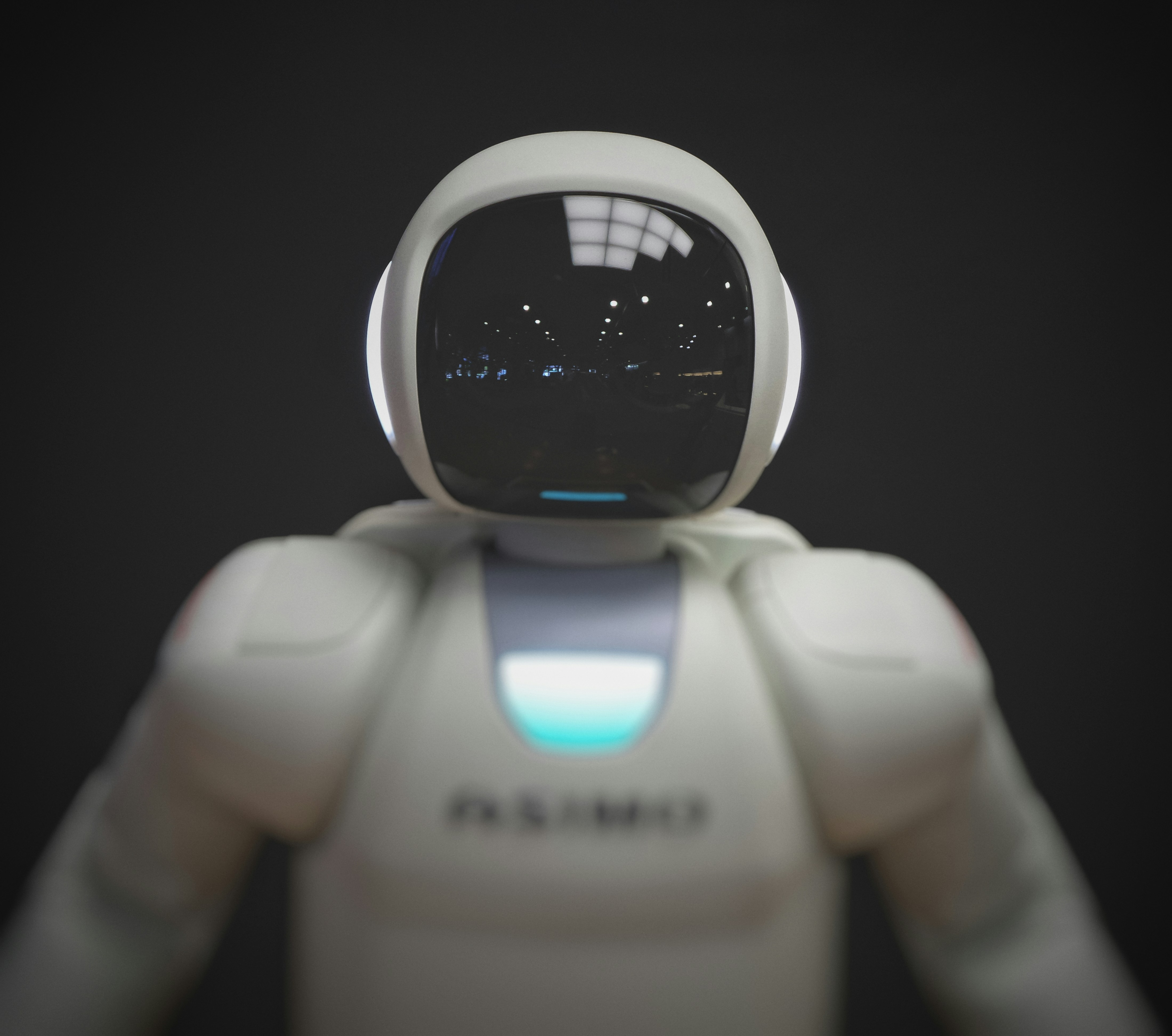
The Rise of Emotional AI Storytelling
AI storytelling has moved beyond the uncanny valley. Modern systems generate facial expressions, emotional pacing, and dialogue that trigger genuine emotional responses.
- Emotionally adaptive characters
- Personalized narrative structures
- Deep emotional immersion
Hyper-Reality and Digital Immersion
Virtual and augmented reality have intensified this transformation. Viewers are no longer passive spectators but active participants inside responsive environments.

Synthetic Media and Ethical Boundaries
One of the most critical challenges involves deepfake technology. Unauthorized replication of faces and voices has forced governments to redefine digital identity rights.
Trusted reference: World Economic Forum – Deepfake Regulation
Mental Health Risks in the Age of AI
AI media is optimized to maximize dopamine stimulation. Unlike traditional cinema, it delivers instant emotional gratification.
- Digital dependency
- Emotional withdrawal
- Rising anxiety among adolescents

Future Mental Health Trends (2026–2076)
- Reality Dissociation Disorder – confusion between digital and physical life
- Augmentation Anxiety – stress from unequal technological enhancement
- Algorithmic Loneliness – isolation inside personalized digital spaces
- Multi-Presence Fatigue – cognitive overload from multiple digital identities
Ethics Beyond Humanity
As artificial intelligence advances, ethical debates shift toward mental privacy, genetic engineering, and the moral value of human labor.
Research institution: Oxford Future of Humanity Institute
A Divided Future Society
Analysts predict a split between bio-conservatives and transhumanists, shaping future politics, healthcare, and human rights.
Expert Solutions and Safeguards
- Digital resilience education
- Emotional intelligence training
- Mandatory labeling of AI-generated content
- Universal Basic Income discussions
Reference: ILO – Future of Work

Government Measures to Combat Social Issues
Governments use a combination of strategies to combat issues such as youth delinquency, substance abuse, or other risky behaviors. One approach involves reintegration and rehabilitation centers that help individuals re-enter society in a healthy way. These centers provide educational, training, and counseling programs designed to equip participants with skills for productive lives. For example, in France, social reintegration centers for young addicts or delinquents offer professional training and educational programs to help them rebuild their lives.
Another crucial measure is the implementation of laws and regulations to deter negative behaviors and prevent their spread. Legal frameworks include penalties, monitoring, and protection for vulnerable groups. In Germany, for instance, laws prohibit exploitation of minors and regulate substance use, combined with judicial supervision programs.
Educational curricula and awareness programs in schools also play a key role. Integrating values, ethics, and lessons on the risks of delinquency or addiction helps students develop life skills such as self-control, conflict resolution, and critical thinking. In Canada, comprehensive school programs raise awareness about mental health, bullying, and substance abuse.
Public organizations and government-supported associations provide psychological and social support, run awareness campaigns, and implement field programs for early intervention. In Algeria, semi-governmental associations assist youth reintegration after social or behavioral crises.
Integration of Measures and Impact on Innovation
When these measures are applied in a balanced and integrated manner, they can positively impact individual freedom and innovation. Effective laws, curricula, and reintegration centers provide a safe environment that allows individuals to think freely and engage in productive activities instead of risky behaviors. Rehabilitation centers that focus on education and professional training, for example, equip youth with skills that encourage innovation and creative projects.
Well-designed government measures do not restrict creativity; rather, they offer a supportive framework for innovation. Educational programs that combine ethical guidance with critical thinking encourage students to explore ideas while maintaining social awareness.
Tech entrepreneur Elon Musk emphasizes the importance of freedom in innovation and experimentation. He believes that society should create safe spaces for individuals to test new ideas without fear of social or legal repercussions, as long as no harm is caused to others. In this sense, government interventions that limit harmful behaviors but preserve freedom of creativity align with Musk's philosophy.
Conclusion: The Human Question
The greatest risk of AI-generated films is not technological, but existential. Used wisely, AI can expand understanding. Used as an escape, it may erode emotional resilience.
Stay informed. The future of creativity, mental health, and human identity is being shaped today. Share this report and join the conversation.