

The Role of Artificial Intelligence in Data Collection and Analysis: Shaping the Future Today

Artificial Intelligence (AI) has rapidly evolved into one of the most transformative technologies of the 21st century. From automating simple tasks to driving complex decision-making processes, AI is reshaping how information is collected, processed, and utilized. Today, data is considered the most valuable asset, and AI is the engine that unlocks its full potential.
AI in Data Collection
Traditional data collection methods relied heavily on manual processes, surveys, and limited digital tools. However, AI has revolutionized this process by enabling automated, real-time, and large-scale data gathering.
- Web Scraping: AI-powered bots can extract vast amounts of data from websites efficiently.
- IoT Devices: Smart devices continuously collect data from the environment.
- User Behavior Tracking: AI analyzes clicks, searches, and interactions online.
These technologies allow companies and researchers to gather data faster and more accurately than ever before.
AI in Data Analysis
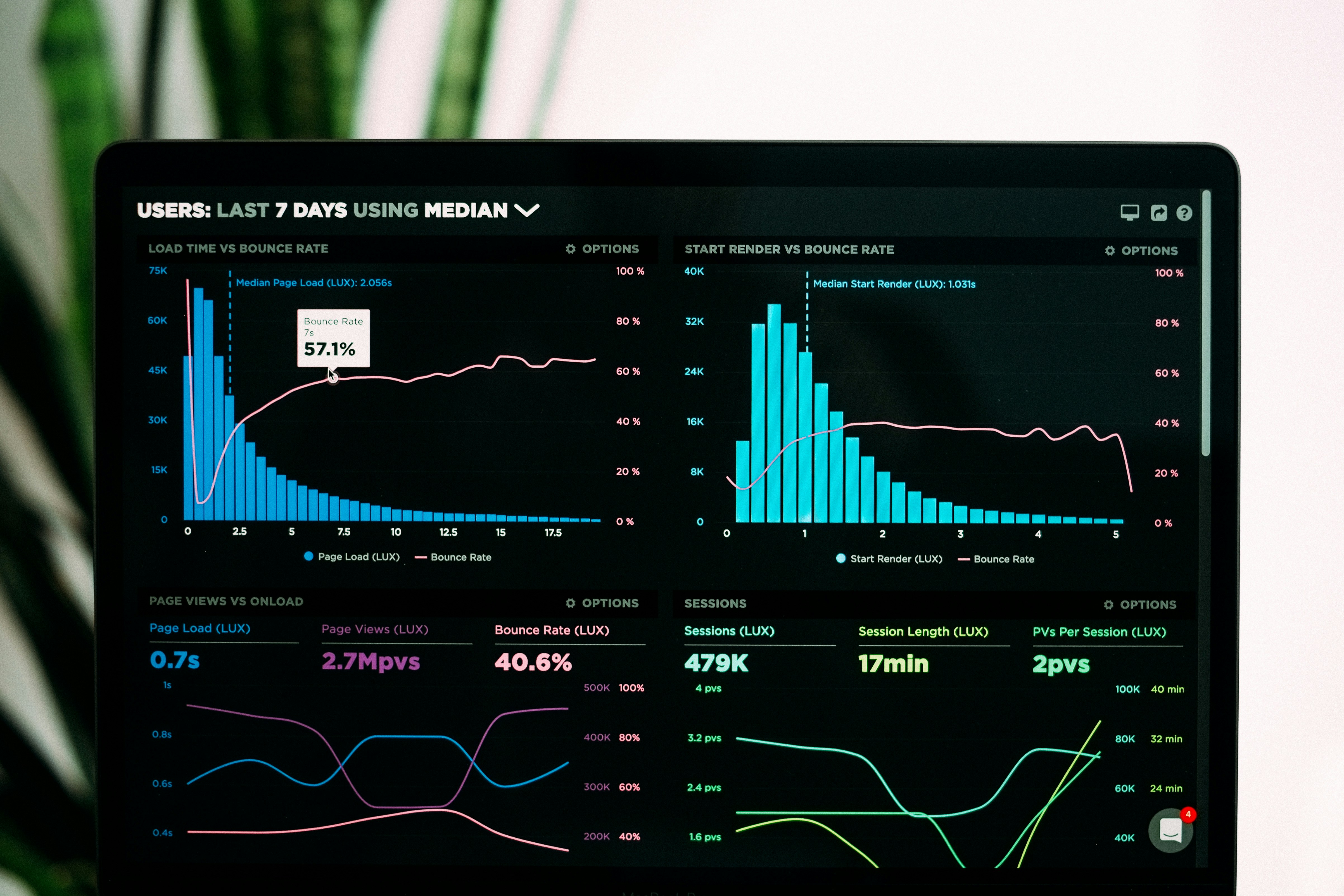
AI excels in analyzing massive datasets that would be impossible for humans to process manually. Machine learning algorithms identify patterns, trends, and anomalies in data, providing actionable insights.
- Predictive Analytics: Forecast future trends based on historical data.
- Natural Language Processing (NLP): Understand and analyze human language.
- Computer Vision: Analyze images and videos for insights.
For example, businesses use AI to predict customer behavior, while scientists use it to analyze experimental data.
The Future Being Built Today
The future is not something distant; it is being constructed in the present through AI innovations. Technologies like autonomous systems, smart cities, and digital assistants are already shaping tomorrow’s world.
AI is driving advancements such as:
- Self-driving cars
- Personalized medicine
- Smart homes and cities
- Advanced robotics
The integration of AI into everyday life is accelerating, making systems more efficient, adaptive, and intelligent.
AI in Science

In scientific research, AI is transforming how discoveries are made. It helps analyze complex datasets, simulate experiments, and accelerate innovation.
- Drug discovery and development
- Climate modeling
- Genetic research
AI reduces the time required for breakthroughs and increases the accuracy of results.
AI in Business and Commerce
Businesses are among the biggest beneficiaries of AI. From marketing to logistics, AI improves efficiency and profitability.
- Customer personalization
- Fraud detection
- Supply chain optimization
E-commerce platforms use AI to recommend products, while financial institutions use it to detect suspicious transactions.
AI in Literature and Creativity

AI is also entering creative fields such as literature. It can generate stories, assist writers, and even mimic different writing styles.
While AI cannot fully replace human creativity, it acts as a powerful tool to enhance it. Writers use AI for brainstorming, editing, and translation.
AI in Cinema and Media
The film industry is leveraging AI for scriptwriting, visual effects, and audience analysis.
- AI-generated scripts
- Deepfake technology
- Audience preference prediction
Streaming platforms use AI algorithms to recommend content, improving user experience.
AI in Military Applications

AI plays a critical role in modern military strategies. It enhances surveillance, intelligence gathering, and decision-making.
- Autonomous drones
- Cybersecurity systems
- Battlefield simulations
However, the use of AI in military contexts raises ethical concerns about autonomy and control.
Challenges and Ethical Concerns
Despite its benefits, AI comes with challenges:
- Privacy issues
- Bias in algorithms
- Job displacement
- Security risks
It is essential to develop responsible AI systems that prioritize transparency and fairness.
Useful Resources
Personal Opinion
In my opinion, artificial intelligence is not just a tool but a turning point in human history. It has the power to solve some of the world's biggest problems, from healthcare to climate change. However, its impact depends on how responsibly we use it.
If guided properly, AI can create a future where humans and machines work together to achieve greater progress. But without ethical control, it could lead to risks that are difficult to manage. The responsibility lies with governments, companies, and individuals to ensure that AI remains a force for good.
The future is already here — and artificial intelligence is writing its story.